- Incinerator
- Waste Gas Treatment
- Environmental Monitoring

- Product Details
Technology Introduction
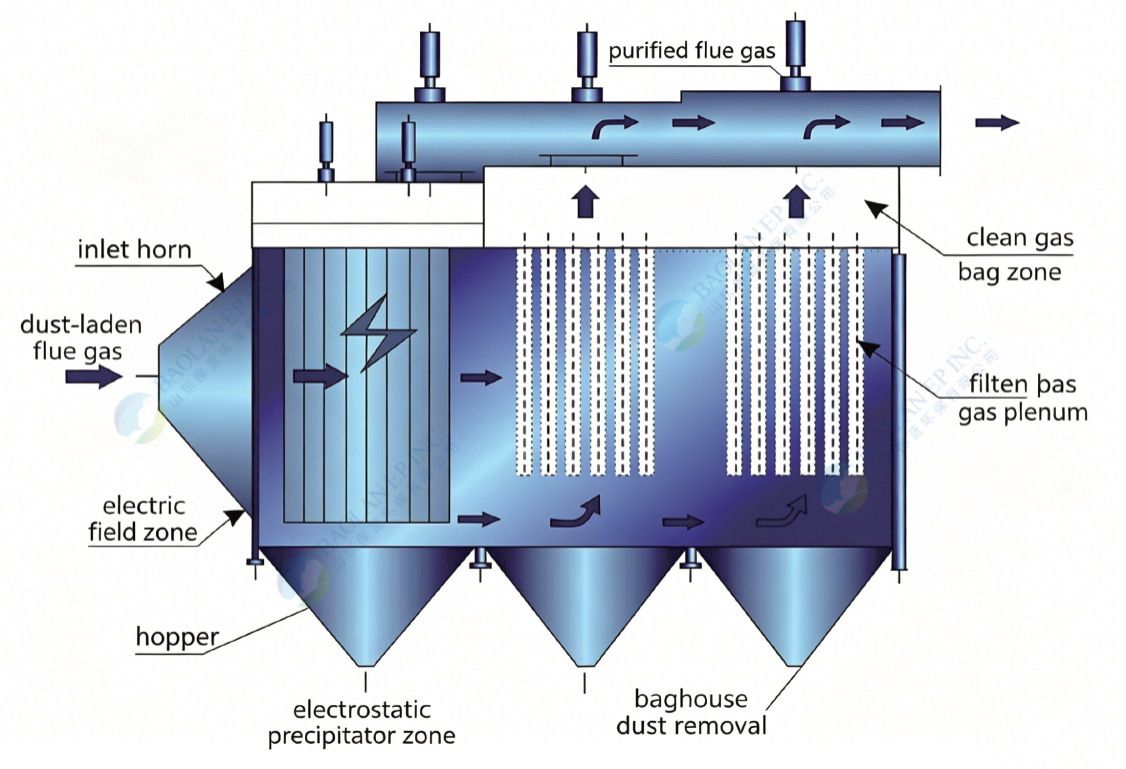
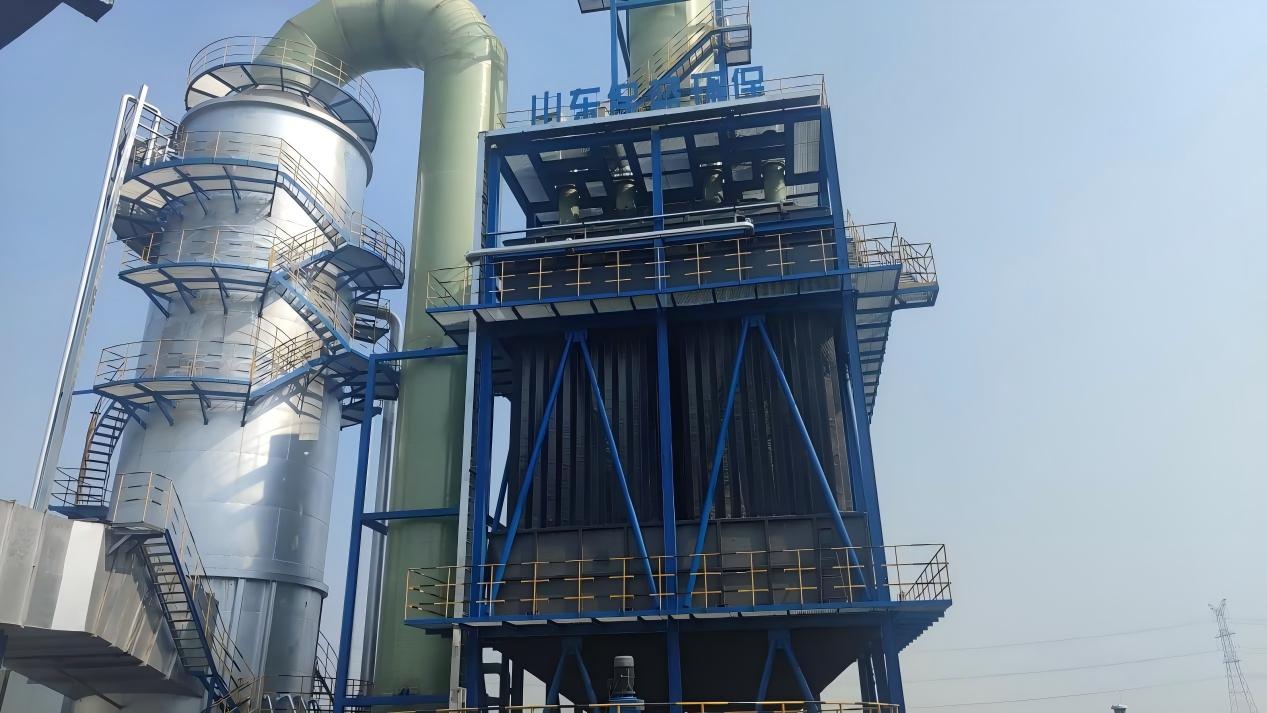
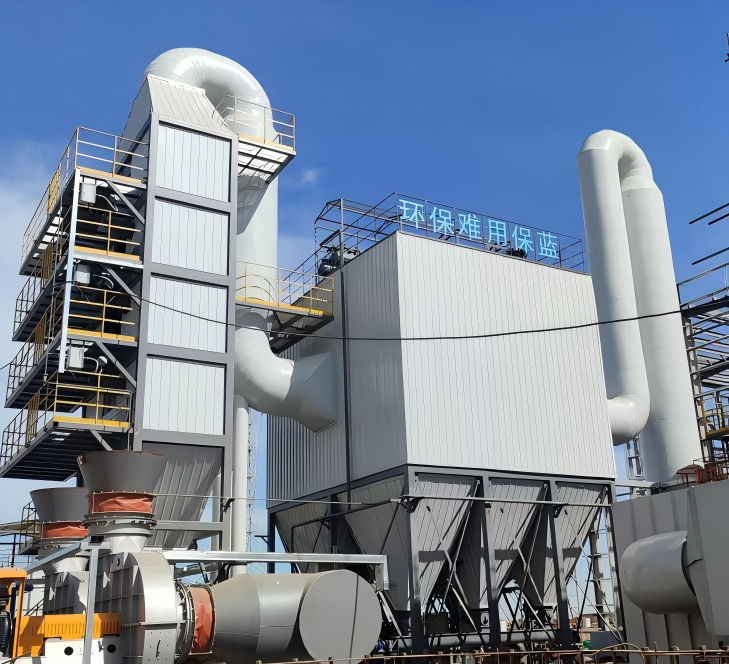
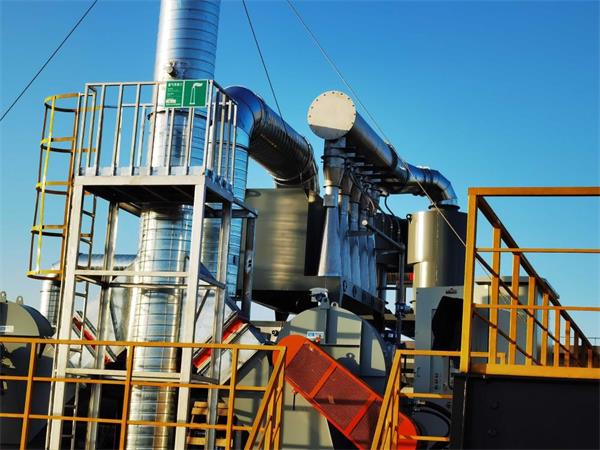
Electrostatic Precipitator (ESP) is a high-efficiency industrial air pollution control device widely used for flue gas dedusting and particulate removal. Different from fabric filtration equipment, it adopts electrostatic adsorption technology to separate fine dust and suspended particles from industrial exhaust gas, serving as a core environmental protection facility for industrial clean production.
The main components of an ESP include discharge electrodes, collecting plates, high-voltage power supply system, ash hoppers, rapping devices and an automatic control system. During operation, the high-voltage electric field ionizes the passing dust-laden flue gas, making the dust particles charged. The charged particles are driven by electric force to adhere to the grounded metal collecting plates. After accumulating a certain thickness of dust layer, the mechanical rapping system regularly shakes the plates to peel off the dust, which falls into the bottom ash hopper for centralized collection and discharge, while the purified clean gas is discharged into the atmosphere.
Electrostatic precipitators feature outstanding advantages such as ultra-low resistance loss, large air volume processing capacity and stable long-term operation. It can efficiently capture fine particulate matter including PM2.5, with a dust removal efficiency up to 99% and above. The equipment is well adaptable to high-temperature, high-humidity and high-dust-concentration flue gas working conditions, and supports continuous 24-hour industrial operation with low energy consumption and minimal wear of core components.
Working Principle
Electrostatic precipitator is a kind of dust removal device which is used to separate particles from gasstream by using electrostatic force (Coulomb force), It is one of the most efficient dust removal equipments inthe world and is ideal for purifying exhaust gas during the production. Two electrodes, a discharging electrode(cathode) and a collection electrode (anode), help to complete the function of gas purification. When the twoelectrodes are charged with high direct current, an electric field will be created. Under the field strength gasstream is ionized and ions together with anions appear, At the same time, it charges the suspended particles.causing them to move toward the opposite electrodes and stick to the collection plates. Accumulated particlesare removed from the collection plates at periodic intervals by rapping. The dust falls to the base of the ESPwhere hoppers hold the removed particles for disposal .Then purified fumes and exhaust gas are expelled intothe atmosphere though a chimney. Thus the purifying process is completed.
Internal Structure
Collecting Electrode: ZT24 electrode is adopted, having the following features:Very good discharging perfommance,uniform curent density,10% higher in effective dustcollecting area compared with others under the same spacedimension.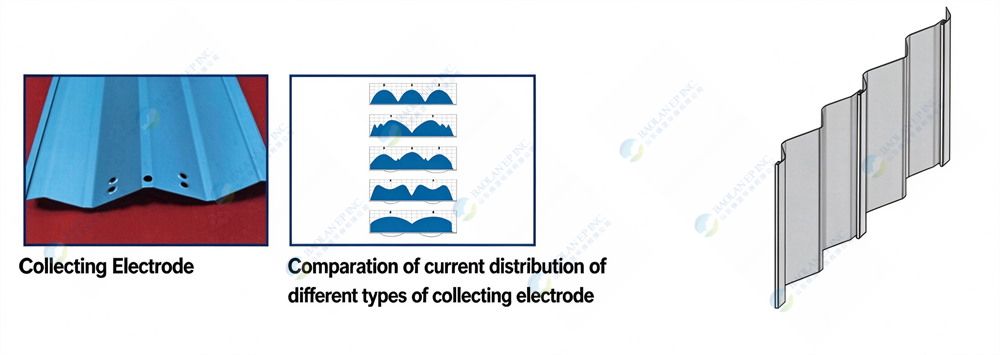
Discharge Electrode: Different electrode type can be used as per the gas conditions,adapted for very good discharging performance, solidity, endurance and non-breakability.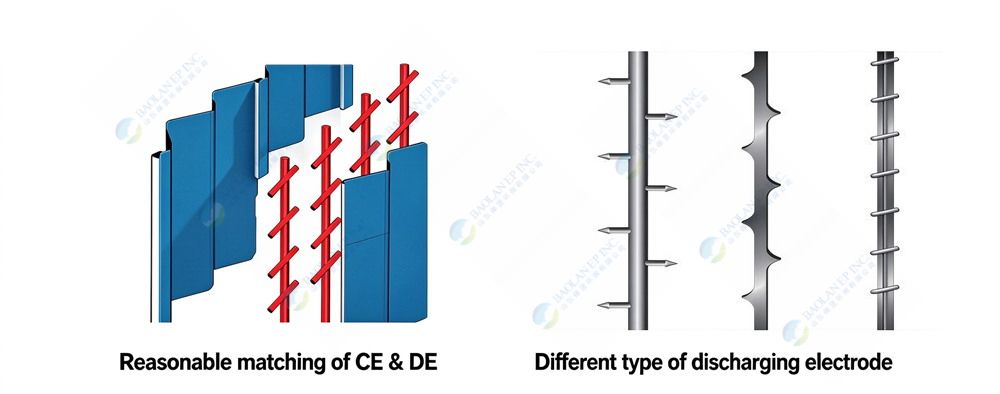
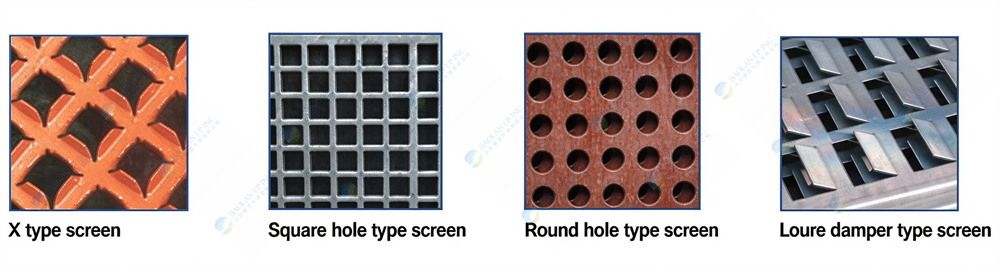
Distribution: X type, square hole type and round hole type, featuring high perforation rate, unifor flow andlong service life.
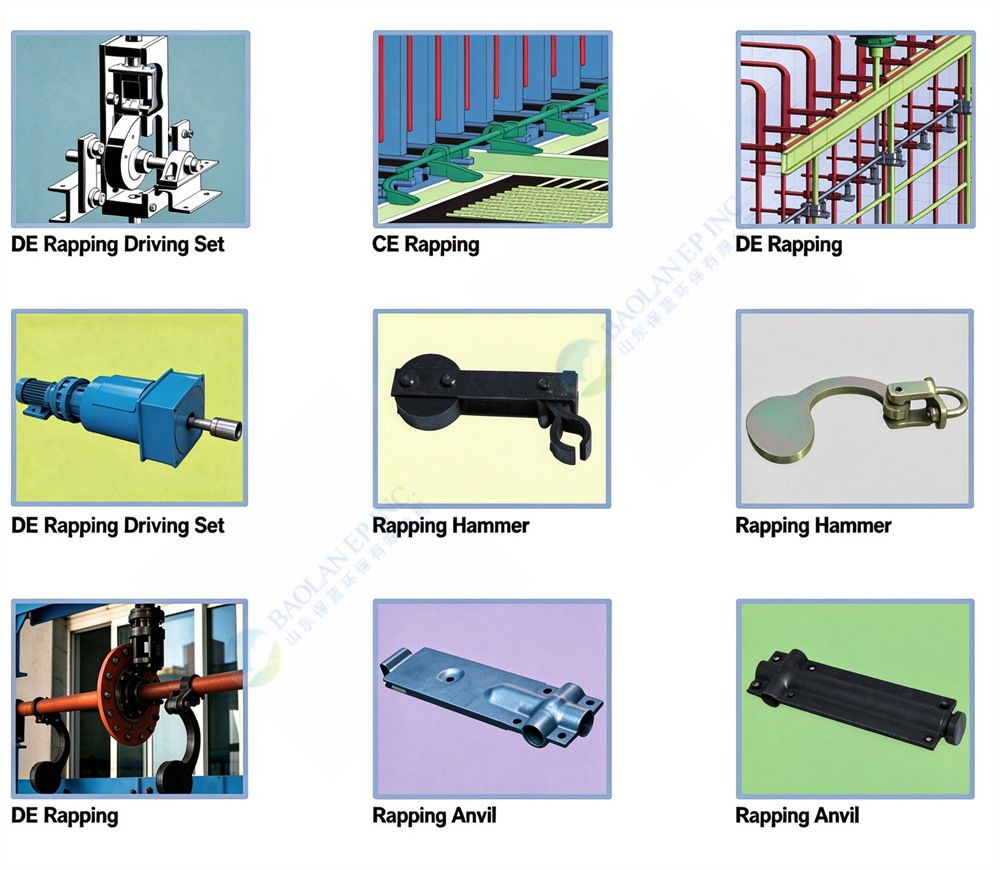
Rapping and Dust Cleaning Device : Top Cam Lifing Mechanism or lnternal Vertical Driving Device is used asRapping Drive for discharge electrode. The rmpping is continuous aud relinble and stable in operation, Side drivingrevolving-arm hammer method for rapping is used for the collecting electrode.

Get A Quote

Environ.Trouble
Baolan Trustable
Copyright © 2014-2025 BAOLAN EP INC.